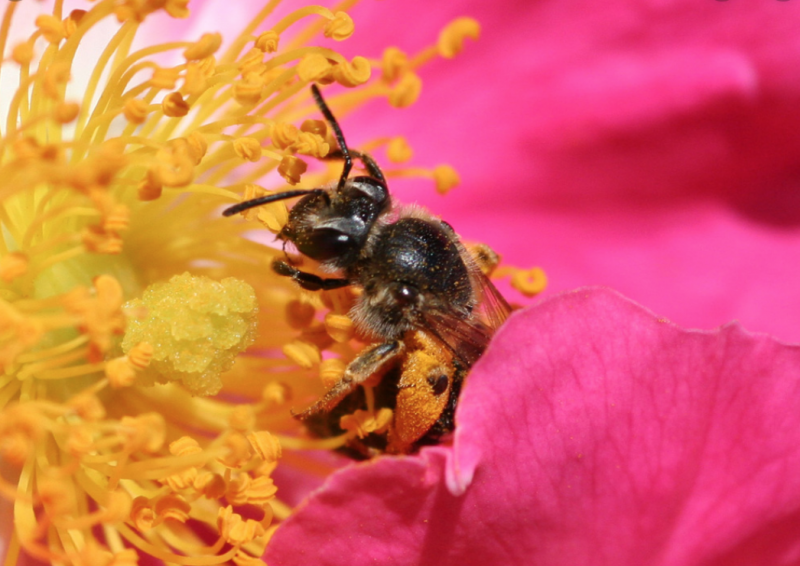
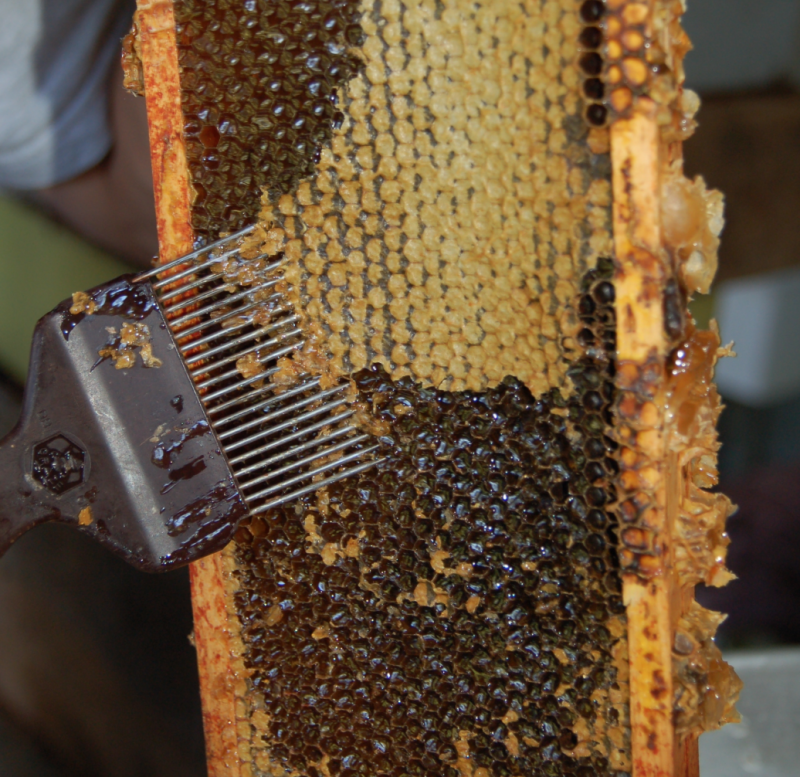
Photo: “Western honey bee on a honeycomb” by Matthew T Rader, MatthewTRader.com. Source: Wikimedia Commons, File:Western honey bee on a honeycomb.jpg. Licensed under CC BY-SA 4.0 (https://creativecommons.org/licenses/by-sa/4.0/). Display copy resized; no other changes identified.
Imagine noticing honey bees coming and going through a gap beneath your roof. You search for a bee exterminator, but your real goal is not to kill the colony. You want the bees moved somewhere suitable and the opening dealt with properly. That difference matters when choosing who to call.
A search for a bee exterminator near me is only a starting point. Before booking, ask what the company actually proposes to do. Live honey bee removal involves more than making the entrance look quiet, especially when a colony has built comb inside a structure.
‘Exterminator’ doesn’t have to mean killing
People often use familiar search terms without knowing the options available. Someone searching for bee extermination may be looking for help with a colony in a wall, not asking for pesticide treatment. Some providers offer live removal and relocation, so explain that keeping the honey bees alive is your priority.
Distinguish a temporary swarm from an established colony. A hanging cluster may be resting while scouts look for a nest site. Bees repeatedly entering a building could have comb inside. Neither situation should be diagnosed from a search result alone. Keep people and pets away, avoid disturbing the bees, and let a qualified provider assess access.
Questions that reveal their approach
Start by asking whether the provider offers live honey bee relocation for your particular situation. Request an explanation of the proposed method rather than accepting a general promise to “take care of the bees.” Ask what might prevent live removal and how any change in approach would be discussed with you.
Next, ask whether established comb will be removed and what cleanup is included. Honey and wax left inside a building can create problems after the bees are gone. Find out whether access requires opening a wall or soffit, who handles repairs, and whether sealing the entry point is part of the work or a separate responsibility.
Finally, ask where the colony will go. A provider should be able to explain its relocation arrangements and follow-up care without promising that every bee will survive. For homeowners comparing bee extermination in Miami, a clear account of the process is more useful than a reassuring label.
What live-first companies do differently
A live-first approach begins with inspection and planning. The provider considers the colony’s location, safe access, and how to collect bees while minimizing disturbance. Depending on the situation, equipment may include suitable transport boxes and collection tools designed for honey bees. The method should fit the site rather than follow a single script.
When considering a provider such as Miami Bee Removal Corp., ask how its proposed work addresses live collection, comb removal, and relocation. Use the answers to compare the actual scope of service. A company name or search listing alone cannot tell you exactly what your particular job will involve.
Also discuss what happens after collection. The plan should identify any remaining cleanup, repairs, and entry-point sealing. Do not block an active entrance yourself: trapped bees may find another route through the building. Agree on the sequence with the provider before work begins.
Comb removal and relocation
Established comb contains the colony’s brood and food stores. Depending on its condition and the removal method, suitable sections may be supported in frames for transfer. Collecting the queen when possible helps keep the colony together, but live removal is not a guarantee of a perfect outcome. Ask how the provider handles these practical limits.
A swarm on an accessible branch presents a different task from comb hidden inside a wall. It may not require structural access or cavity cleanup. This is why a useful assessment explains what is present before recommending work. Avoid treating descriptions of removal as instructions to attempt a cutout yourself.
Warning signs
Be cautious when a provider will not explain its methods, cannot describe relocation arrangements, or dismisses questions about comb left behind. If preserving the colony is your goal, an unexplained treatment proposal does not meet it. Ask for a written scope that makes the intended approach clear.
Absolute promises deserve scrutiny too. Claims that every bee will survive, that no repair could be needed, or that bees can never return overlook the realities of living colonies and buildings. A careful provider explains uncertainties and responsibilities rather than replacing an inspection with confident sales language.
The bottom line
Return to that first sight of bees at the roofline: the useful next step is a thoughtful assessment, not a rushed decision based on a search term. Look for a provider that prioritizes live collection, removes established comb, and arranges relocation, with cleanup and repairs clearly explained. Choose the process that matches the outcome you actually want.